Gulf Money Fuels 190% China and Hong Kong Investment Surge


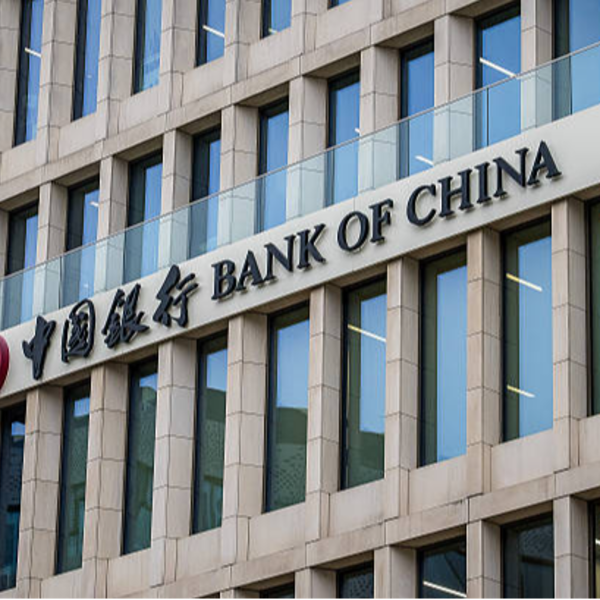
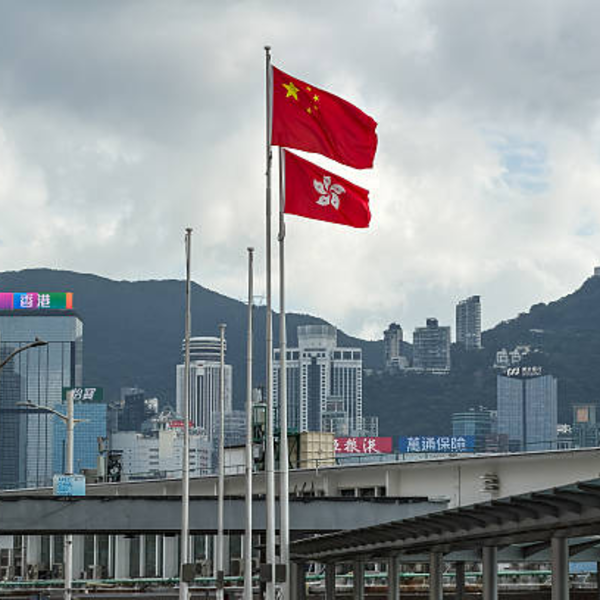
Global sovereign wealth funds are orchestrating a remarkable return to mainland China and Hong Kong, effectively reversing a prolonged investment contraction, with institutional investors from the Middle East taking a principal role. Figures compiled by Singapore-based consultancy Global SWF reveal that capital allocations into these Chinese markets reached $14.2 billion during the first three quarters of 2026. This performance marks a dramatic 190 percent surge compared to the total figures recorded across the entire preceding year. Such momentum represents a stark reversal from 2025, a period defined by a 54 percent year-over-year collapse in sovereign investments driven by mounting geopolitical friction and persistent uncertainties regarding China’s broader macroeconomic stability.
This resurgence is spearheaded predominantly by Gulf sovereign entities. Saudi Arabia’s Public Investment Fund contributed $6 billion to this total, accompanied by $2.5 billion from the Abu Dhabi Investment Authority, alongside notable allocations of $800 million from Mubadala and $600 million from the Qatar Investment Authority. Collectively, these four Gulf-based funds accounted for roughly 70 percent of total sovereign capital channeled into the region during this time frame. This trend reflects a broader strategic shift wherein institutional investors are looking past geopolitical barriers to capture high-growth opportunities within advanced manufacturing, biotechnology, consumer markets, and the technology sector. According to Jenny Lee of Granite Asia, market perception has evolved from dismissing China as uninvestable to questioning whether they risk missing out on valuable opportunities. Lee emphasizes that China’s entrenched infrastructure in manufacturing and biotechnology provides a competitive edge as artificial intelligence applications expand into sector-specific domains such as robotics and automated drug development, supported by extensive data gathered from real-world laboratories and factories.
Other prominent international investors are similarly adjusting their strategies to capture these opportunities. Andrew Wang, head of Mubadala’s private equity consumer division, noted that multi-year low valuations present a uniquely attractive entry point for investors, leading the fund to prioritize Chinese consumer sectors and participate in high-profile ventures, such as a stake in Luckin Coffee alongside Centurium Capital. Parallel transactions highlight this widespread institutional interest, including contributions by the Qatar Investment Authority and Norway’s sovereign wealth fund to Alibaba’s substantial share offering. Meanwhile, Singapore-based Temasek continues to target domestic consumer brands, biotechnology, and AI hardware, having served as a cornerstone investor in Zhongji Innolight's initial public offering. Furthermore, Indonesia’s Danantara is actively broadening its economic collaboration with China beyond traditional areas like nickel and battery production to encompass healthcare, artificial intelligence, and energy efficiency. Nevertheless, despite this substantial capital influx, China continues to capture a relatively modest share of global sovereign investment relative to Western economies, trailing far behind the $132.4 billion directed toward the United States and the $44.6 billion attracted by Europe and the United Kingdom during the same nine-month period.