Shifting Economic Risks: AI, Escalating Debt, and China’s Evolving Role


The recent International Monetary Fund (IMF) and World Bank gatherings in Bangkok—marking the first such meetings in Asia since 2018 in Bali, Indonesia, and Thailand's first time hosting since 1991—brought global finance chiefs together to debate the primary threats facing the world economy. Discussions centered heavily on mounting debt, artificial intelligence, and trade imbalances as potential catalysts for the next global financial crisis. Notably, concerns regarding China, which historically dominated these summit agendas, receded to the background as attention shifted to rising debt in the Global North and the complex ramifications of the ongoing AI boom.
The rapid expansion of artificial intelligence emerged as a central theme, presenting both economic opportunities and significant risks. While the IMF expressed optimism for nations integrated into the global AI supply chain, including South Korea, Japan, and China, it warned that economies lacking these capabilities risk falling behind, thereby widening international economic disparities. Furthermore, capital expenditures for AI infrastructure are driving up overall debt levels and competing with government borrowing for capital, which elevates borrowing costs across the board. The IMF cautioned that if AI technology fails to deliver expected productivity gains, severe global economic fallout could follow.
Compounding these risks is a growing disconnect among global policymakers and institutions, with limited evidence of international coordination. Kevin Gallagher, director of Boston University's Global Development Policy Center, highlighted the critical need for alignment among the IMF, the U.S. Federal Reserve, and the People’s Bank of China, warning that divergent actions could exacerbate global instability. A tangible rift also surfaced between the IMF and the U.S. Treasury over domestic fiscal policy. IMF Managing Director Kristalina Georgieva noted that economic growth alone is insufficient to put the U.S. on a sustainable financial path with its federal debt exceeding $40 trillion. In response, David Zervos, counselor to Treasury Secretary Scott Bessent, dismissed the warning by emphasizing the historical inaccuracy of IMF forecasts. Lack of collaboration was visually evident during the G20 finance ministers and central bank governors meeting, where Chinese and U.S. officials sat at a distance.
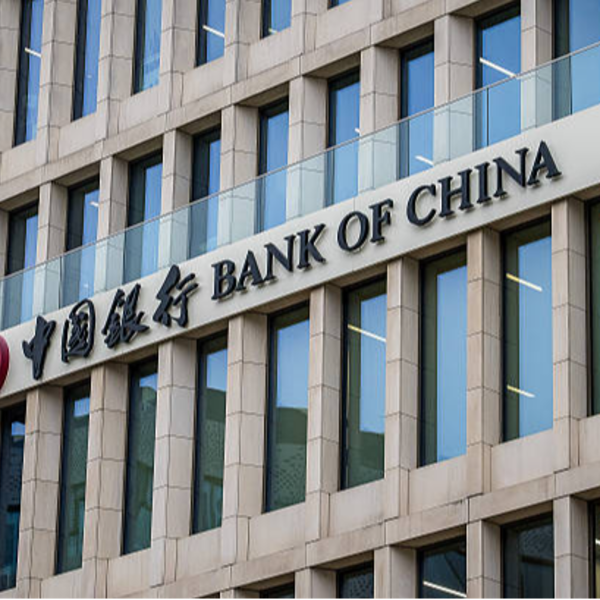
Meanwhile, China's role in global economic concern underwent a notable shift. People’s Bank of China Governor Pan Gongsheng urged the IMF to strengthen monitoring of fiscal risks originating from major advanced economies, advocating that deficit nations manage their shortfalls while surplus nations stimulate internal consumption and investment. In contrast to 2018, when the U.S.-China trade dispute dominated discussions, China was rarely cited as a primary source of economic disruption. Tim Adams, president and CEO of the Institute of International Finance, observed that investor conversations in Southeast Asia reflected a perception of relative stability in U.S.-China relations. Although investors remain cautious regarding direct investment, there is strong appetite for upcoming Chinese tech initial public offerings and Chinese bonds, supported by a stable currency. Consequently, international markets increasingly view China as a conventional economic variable rather than a unique source of systemic risk.