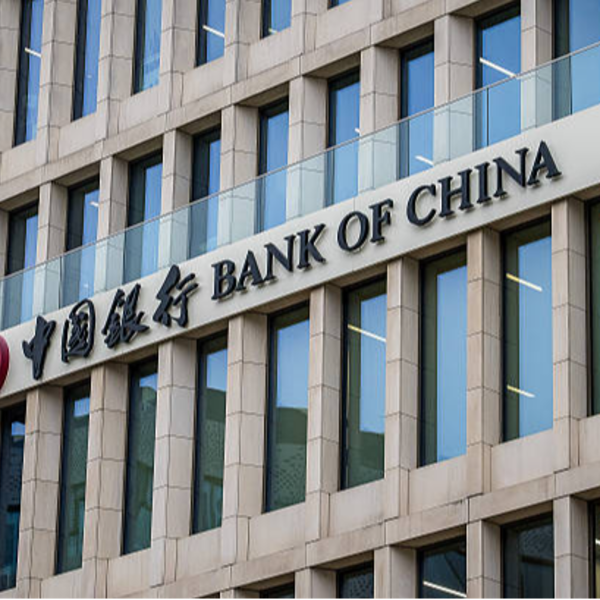
China Expected to Hold Benchmark Lending Rates for 17th Month as Economic Growth Exceeds Forecasts


China's central bank is widely expected to leave its benchmark lending rates unchanged at its October 20 review, extending the current period of monetary stability to 17 consecutive months. According to a Reuters survey conducted ahead of the announcement, all 22 respondents forecast that the one-year LPR would remain at 3.00% and the five-year LPR at 3.50%. The LPR serves as an important reference for commercial lending, with the one-year rate influencing corporate and short-term borrowing costs and the five-year rate commonly used as a benchmark for mortgage pricing. The rates are calculated monthly using submissions from 20 designated commercial banks to the People's Bank of China (PBOC). Maintaining these rates would indicate that policymakers see limited urgency for another broad-based reduction in borrowing costs, particularly following signs of economic stabilization. The decision would also reflect a preference for preserving monetary policy flexibility while evaluating the impact of existing stimulus measures.
The stronger economic performance reported on October 19 has reinforced expectations of a steady policy stance. China's gross domestic product expanded by 4.5% year-on-year in the third quarter of 2026, exceeding the 4.4% growth forecast in a Reuters poll and accelerating from 4.3% in the previous quarter. On a quarter-on-quarter basis, the economy grew by 1.2%, compared with 0.9% in the second quarter. Industrial production increased by 5.5% year-on-year in September, while retail sales rose by 1.1%, exceeding expectations of 0.6% growth. Export-oriented manufacturing and demand for high-technology products, including electronics and AI-related equipment, have provided important support for economic activity. The latest data suggest that China remains on track to achieve its official 2026 GDP growth target of 4.5% to 5.0% without introducing aggressive new stimulus measures. Nevertheless, the concentration of growth in exports and industrial sectors highlights the country's continued dependence on external markets rather than a broad-based recovery in domestic spending.
China's property market remains one of the largest obstacles to sustainable economic expansion. New home prices declined by 0.1% month-on-month in September, matching August's contraction, while prices fell by 2.8% compared with the previous year. The persistent housing downturn has affected household wealth, weakened consumer confidence, and placed financial pressure on property developers and local governments. Fixed-asset investment contracted by 7.2% during the first nine months of 2026, reflecting continued weakness in construction and private-sector investment. Although authorities have introduced targeted housing support measures, including mortgage interest subsidies for eligible buyers in smaller cities, these interventions have yet to generate a nationwide recovery in housing demand. The prolonged property downturn also complicates monetary policy transmission: even when borrowing costs decline, households and companies may remain unwilling to take on additional debt if income expectations and investment opportunities are uncertain.
Policymakers face the challenge of maintaining economic momentum while addressing structural imbalances between production and consumption. The International Monetary Fund has called for stronger fiscal support to stimulate domestic demand, warning that China's export-led growth model remains vulnerable to external pressures. Meanwhile, monetary policy decisions are becoming more complicated as several major economies move toward tighter financial conditions to contain inflation. Additional Chinese interest-rate reductions could create pressure on interest-rate differentials and bank profitability, limiting the attractiveness of broad monetary easing. Investors are therefore monitoring signals from PBOC Governor Pan Gongsheng and future government policy announcements for indications of targeted credit support, fiscal expansion, or adjustments to the monetary policy framework. For China's financial markets, the expected October rate hold suggests a continuation of policy stability, but the longer-term outlook will depend on whether improvements in industrial production and exports can translate into stronger consumer confidence, private investment, and domestic demand.